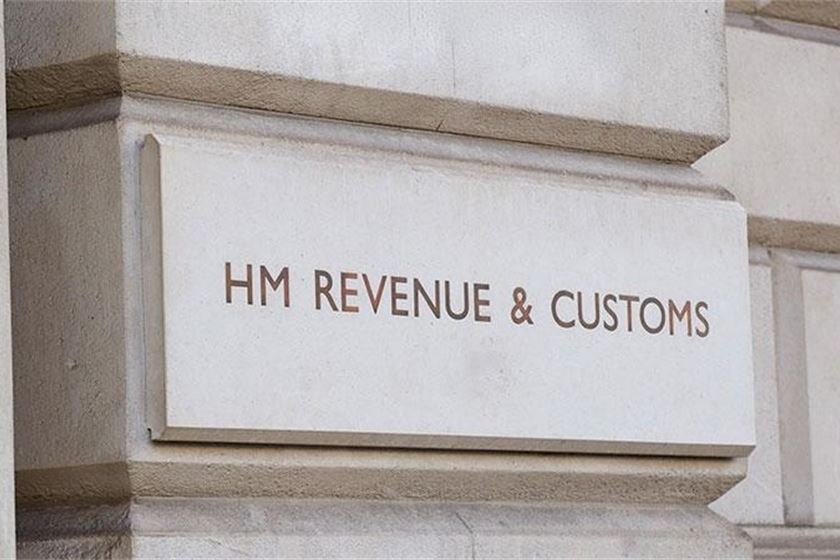
If you are a taxpayer in the UK and you need to deal with HMRC, there are several ways you can do so: It's important to keep in mind that HMRC has strict deadlines for tax returns and payments, so it's advisable to deal with them as soon as possible if you have any queries or issues. If you're

What are Dividends
A company must have sufficient distributable profits to pay a dividend. Distributable profits are the company's accumulated profits that are available for distribution to shareholders, after accounting for any losses, taxes, and other liabilities. The directors of the company must decide whether

Reporting your capital gains on property to HMRC
Principal Private Residence Relief (PPR) You do not pay Capital Gains Tax when you sell (or ‘dispose of’) your home if all of the following apply: Find out if you are eligible for the PPR
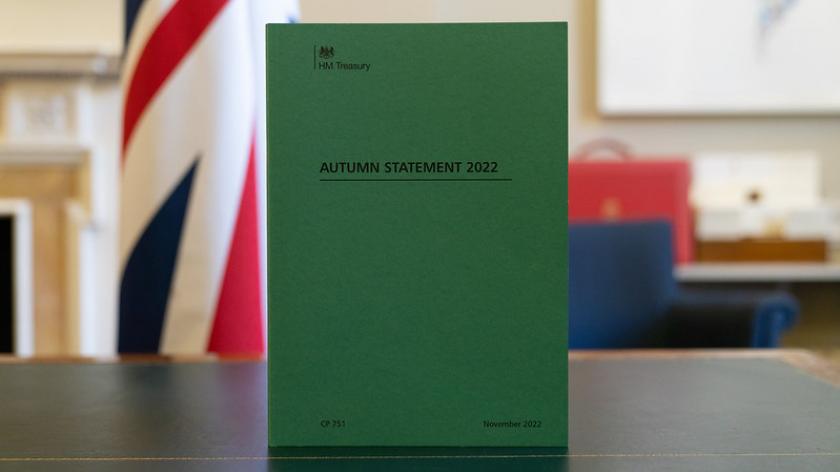
Autumn Statement 2022
Key Points An expansion to the windfall tax from 25% to 35% Freezing personal allowance thresholds until April 2028 Capital gains tax allowance cut from £12,300 to £6,000 Freeze inheritance tax nil rate bands until 2027–28 Revised the energy support package from April 2023 Dividend

Tax rises – national insurance and dividend rates
The UK Government has announced on 7 September that, from April 2022 the UK will introduce a 1.25% Health and Social Levy, based on national insurance contributions (NIC) ringfenced to fund the investment in health and social care. The levy will apply to the same population and income as class 1

Super-deduction and special rate first year allowance
Key Points Introduction of an enhanced superdeduction equal to 130% for expenditure on certain items of plant or machinery.on qualifying expenditure on plant or machinery from 1 April 2021 to 31 March 2023.if a company spends £1,000 on qualifying items of plant and machinery within the dedicated

Tax inspections and how to avoid them
‘Anybody running a business needs to be concerned about the possibility of facing a tax inspection,’ says Nicholas Parkes, an ex-tax inspector turned tax information provider. ‘In the Revenue, we always believed you could pick up any file and find something.’ What triggers a tax

Job Support Scheme – Key Points

How to set up a PAYE Scheme for your company
You must register as an employer with the HM Revenue & Customs (HMRC) if you are running a company or a business that employs staff to carry out work on your behalf for exchange of salary or benefits. ‘Pay As You Earn’, or PAYE, is the system by which HMRC collects income tax and National

COVID-19 Self-Employment Income Support Scheme (SEISS)
Background The Chancellor announced the following new measures on 26 March 2020. Support for the self-employed during the coronavirus crisis: A taxable grant of the lower of: £7,500 and80% of your average monthly profits over the three years 2016/17, 2017/18 and 2018/19.Initially capped for